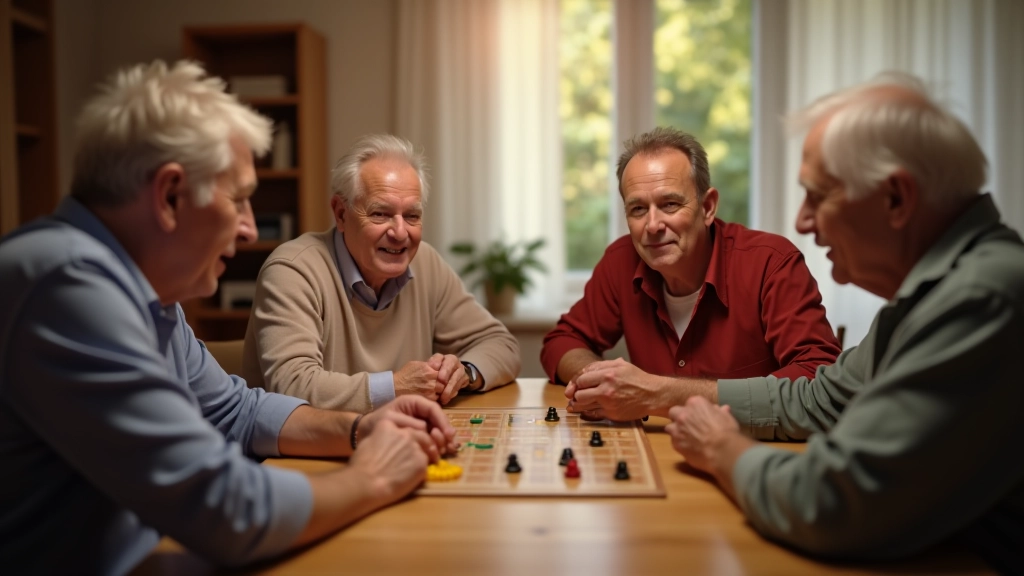

Creating a Support Network That Actually Works
How to connect with other caregivers, find local resources in the Czech Republic, and build systems that prevent burnout while supporting your aging relatives.

Why Support Networks Matter More Than You Think
Being a caregiver is isolating. You're managing medications, coordinating doctor visits, handling finances, and probably working full-time too. It's exhausting. But here's the thing — you don't have to do this alone, and trying to is one of the fastest paths to burnout.
A real support network isn't about finding one magic person or resource. It's about building a system of people, organizations, and tools that share the load. In the Czech Republic, there are more options available than most caregivers realize — they're just not always obvious or easy to find. We'll walk you through how to find them, connect with them, and actually use them.

The Three Types of Support You Actually Need
Different situations need different kinds of help. Most caregivers benefit from all three.
Emotional Support
People who understand what you're going through. Other caregivers, support groups, counselors. They're not here to fix anything — they're here to listen and remind you you're not crazy for feeling overwhelmed.
Practical Help
The actual day-to-day stuff. Family who can cover a shift, home health aides, cleaning services, meal prep. These aren't luxuries — they're what make caregiving sustainable beyond three months.
Information & Guidance
The what-to-do-next stuff. Social services, financial advisors, care coordinators, doctors. You need people who know the system and can point you toward the right resources.
Finding Resources in Your Czech Community
The Czech healthcare and social services system isn't simple. But there are specific places to start that'll save you hours of searching. Most people don't know about them until they're desperate.
Start with these official channels:
- Domácí péče (Home Care) — Your local health insurance provider can direct you to covered home care services. Don't assume you can't afford it until you've checked what's included.
- Sociální služby (Social Services) — Each municipality offers different services. Call your local obecní úřad (municipal office) and ask specifically about day centers, meal services, and respite care.
- Léčebna (Rehabilitation Centers) — If your relative needs physical therapy or recovery time, these exist throughout the country. Insurance often covers them partially.
- Paliativní péče (Palliative Care) — For serious illness, these services exist but people don't always know they can access them. Ask the primary care doctor directly.


Building Your Actual Support Network
Finding resources is one thing. Actually using them and getting people involved is another. This is where most caregivers fail — not because they're bad at organizing, but because asking for help feels weird.
Start small. You don't need a massive network. You need maybe 5-7 people and organizations you can actually rely on. That might be: one family member who helps with groceries, a neighbor who checks in weekly, a paid home aide for two mornings, a support group you attend monthly, and your doctor's nurse who you can email questions to.
The key is being specific about what each person or service does. Not "my sister helps out" but "my sister handles the pharmacy refills and medical appointments." Not "I get help" but "I have a cleaner every other week and a home aide Monday/Wednesday mornings." Specificity prevents gaps and keeps people accountable.
Creating Systems That Actually Work
Good networks have structure. Here's how to build one that doesn't fall apart when someone gets busy.
01
Map Out What Actually Needs Doing
Write down everything. Medical appointments, medications, meals, cleaning, yard work, finances, grocery shopping, emotional check-ins. Don't filter. Be real about what's actually necessary each week.
02
Assign Responsibilities (Or Find Services)
For each task, decide: Do I do this? Does a family member do it? Do we hire someone? Is there a social service that covers it? Don't assume you have to do everything yourself just because you're the primary caregiver.
03
Document Everything
Shared spreadsheet, Google Calendar, simple notebook — whatever. Who does what, when it happens, contact info for services, medication lists, doctor names. One person can't be the only keeper of information. It breaks the system.
04
Check In and Adjust
Every three months, actually review what's working. Are people following through? Is something not getting done? Do you need different help? Good systems evolve. They don't stay the same for years.
"I thought I had to handle everything myself. After six months I was completely burned out. Then my friend literally said, 'You're being stubborn. Let me help.' Once I actually let people in, things got so much easier. It's not weakness to ask."
— Petra, caregiver for her mother
Finding Your People: Caregiver Groups and Communities
Emotional support matters. It's not therapy. It's not fixing anything. It's just being around people who get it without having to explain.
In the Czech Republic, you've got options. Some are in-person, some are online. Some are formal, some are just neighbors who meet for coffee. What matters is finding something that doesn't feel like another obligation.
Check for: Senior centers (domovy pro seniory) often host caregiver support meetings. Churches and community centers in larger cities have groups. Online, look for Czech-language groups on Facebook or WhatsApp — these are often more active than official websites. Your doctor's office might know about local groups too.

Preventing Burnout Before It Happens
A good support network isn't just nice to have — it's what prevents you from becoming a caregiver who's broken down and unable to help anyone.
Set Boundaries Early
You can't be available 24/7. You shouldn't try. A good support network includes people who cover the times you can't. That's not abandonment — that's survival.
Get Respite Care
This means someone else takes over your duties for a period so you can rest. A few hours a week, a weekend per month, whatever you can arrange. It's not luxury. People who get regular breaks are better caregivers.
Don't Skip Your Own Health
Your doctor visits, exercise, mental health — that's not selfish. Your relative depends on you being functional. A support network includes protecting your own wellbeing.
Accept That You'll Feel Guilty
And accept it anyway. Guilt is part of caregiving. But don't let it stop you from getting help. You're doing something hard. You deserve support.
Start With One Connection
You don't need to build an entire support system in a week. You don't need to figure everything out right now. Start with one thing. Call your local municipal office. Join one online group. Ask one family member specifically for help. Talk to your doctor about what services exist.
One connection leads to another. A support group connects you to someone who knows about a service. A family member helps with one task, which frees you to research something else. A social worker points you toward resources you didn't know existed.
Caregiving is hard. But you don't have to do it in isolation. A support network isn't about finding the perfect solution — it's about finding enough help from enough people that the load becomes manageable. That's possible. You just have to start.
About This Information
This article provides educational information about building caregiver support networks and finding resources in the Czech Republic. It's not a substitute for professional advice. Healthcare, financial, and legal situations vary greatly. Always consult with qualified professionals — your doctor, a financial advisor, a social worker, or an attorney — about your specific circumstances. The resources and services mentioned reflect general availability as of March 2026 and may change. Check directly with your local authorities for current options in your area.
Related Articles