
Mental Stimulation Activities That Keep Minds Sharp
Puzzles, games, learning projects, and social activities proven to maintain cognitive function. Ideas you can do solo or share with friends and family.
Why Brain Health Matters as We Age
Your brain doesn't have to slow down just because you're getting older. Studies consistently show that people who engage in regular cognitive activities maintain sharper thinking, better memory, and stronger problem-solving abilities well into their later years. The key is keeping your mind actively engaged with activities that challenge you in new ways.
We're talking about real, measurable improvements — better focus during conversations, quicker recall of names and facts, stronger attention span while reading. It's not magic; it's how brains work. When you challenge them regularly, they respond by building new neural connections and maintaining existing ones.

Six Types of Brain-Boosting Activities
Each one works differently. Combine several for best results.
Puzzles & Problem-Solving
Jigsaw puzzles, crosswords, Sudoku, and logic games strengthen focus and pattern recognition. Start with puzzles that take 2-3 weeks to complete — that's the sweet spot for engagement without frustration.
Reading & Writing
You don't need novels. Try historical biographies, short story collections, or even detailed articles about topics that interest you. Writing daily journals, letters to family, or even poetry works remarkably well for memory formation.
Games & Competition
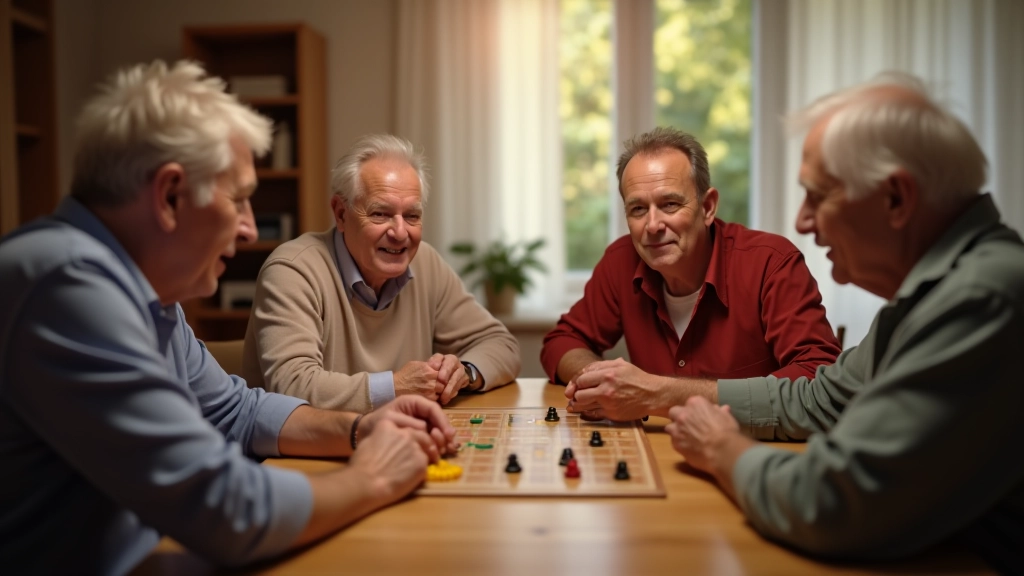
Chess, board games, card games, and even video games (yes, really) challenge strategic thinking and quick decision-making. The social aspect adds another layer of cognitive benefit.
Music & Creativity
Learning an instrument, singing, or even active listening to music engages multiple brain regions simultaneously. You don't need to be skilled — the learning process is what builds those connections.
Social Engagement
Conversation, discussion groups, and community involvement aren't just fun — they're genuinely powerful for brain health. Debate a topic. Join a book club. Teach someone a skill you know.
Learning New Skills
Taking up photography, learning a language, or exploring a completely new hobby forces your brain to create new pathways. It's uncomfortable at first. That's exactly why it works so well.
How to Start — Without Overwhelming Yourself
Here's what works: pick ONE activity that genuinely appeals to you. Don't choose something because you think you "should." If you hate puzzles, don't do puzzles. If you love card games, that's your entry point.
Commit to 20-30 minutes, three times per week. That's enough to see real cognitive benefits without burning out. You're building a habit, not training for the Olympics.
After 4-6 weeks, add a second activity. Maybe a puzzle game and a weekly book club. Then potentially a third. You'll notice improved concentration in other areas of your life — better focus when talking with family, faster recall of everyday details, easier time following complex conversations.
The progression matters. Don't try to do everything at once. Your brain adapts best to gradual, consistent challenges.

Specific Activities to Try This Week
Start a Puzzle Project
Pick a 500-piece puzzle (not too easy, not impossibly hard) and set up a dedicated table or corner. Work on it 20 minutes daily. The repetition combined with pattern recognition gives your brain exactly the workout it needs.
Join a Local Book Club
Libraries in Czech Republic often host book discussions. You get reading, conversation, new perspectives, and social connection all at once. It's cognitive stimulation plus emotional engagement.
Learn Something Completely New
Photography. Chess. A language. Watercolor painting. Pick something you've never done before. Sign up for even just one beginner class. The discomfort of being a beginner is where the brain growth happens.
Weekly Card Game Night
Bridge, poker, or even just rummy. Games that require strategy, memory, and quick thinking. Invite friends or family. The social pressure to stay sharp combined with the game mechanics creates powerful cognitive engagement.

Key Tips for Success
- Consistency beats intensity. Three times weekly at 20 minutes beats one marathon session monthly.
- Embrace the challenge. If an activity feels too easy, it's not building new neural connections. Slightly uncomfortable is exactly right.
- Mix solo and social. Both matter. Solo activities build focus; social activities build processing speed and emotional engagement.
- Sleep matters more than you think. Your brain consolidates learning during sleep. Getting 7-8 hours makes cognitive activities work better.
- Track progress gently. Notice improvements in memory, focus, or problem-solving. Don't obsess over metrics — just pay attention to how you feel.
"The brain isn't like a muscle that gets weaker with age. It's more like a network that needs active connections. When you stop using pathways, they fade. When you actively challenge your brain with new activities, those pathways strengthen and new ones form. This isn't speculation — it's measurable through brain imaging."
— Research findings from cognitive neuroscience studies, 2023-2024
What the Research Actually Shows
You've probably heard that cognitive activities help prevent decline. It's true, but the research is even more interesting than that. Regular mental stimulation doesn't just slow down age-related changes — it actually builds cognitive reserve.
Cognitive reserve means your brain has extra capacity built up. So even if some age-related changes do happen, you've got additional resources to compensate. People with strong cognitive reserve notice memory changes less, process information faster, and maintain sharper thinking longer.
The activities that work best are ones that combine novelty (something new) with challenge (something moderately difficult). That's why learning a new skill beats doing the same puzzle repeatedly. Your brain adapts to repeated tasks, so you need to keep introducing fresh challenges.
Building Your Support Network
Find a Buddy
You'll stick with activities longer if someone else is doing them with you. Invite a friend to a puzzle project, book club, or game night. The accountability plus social engagement creates powerful motivation.
Use Local Resources
Libraries, community centers, and senior centers in Czech Republic often host games, classes, and discussion groups specifically designed for cognitive engagement. They're usually free or very inexpensive.
Caregiver Involvement
If you're supporting an older relative, participating in cognitive activities together is beneficial for both of you. It builds connection while supporting brain health.
Your Brain Is Ready for the Challenge
You don't need to do anything extreme. Consistent, moderate engagement with activities that challenge you will genuinely improve your thinking, memory, and problem-solving. Pick one activity this week. Do it for 20-30 minutes, three times weekly. After a month, you'll notice the difference.
The best activity is the one you'll actually do. If you love music, learn an instrument. If you love strategy, play chess. If you love community, join a discussion group. Your brain will thank you, and you'll probably enjoy yourself in the process.
Information Disclaimer
This article provides educational information about cognitive stimulation and brain health. It's not medical advice. If you're concerned about memory loss, cognitive decline, or neurological conditions, consult with a healthcare professional or neurologist. Everyone's situation is different — what works well for one person might need adjustment for another based on individual health, abilities, and circumstances.