
Building Nutritious Meals for Aging Parents
Learn which foods support bone health, energy, and digestion. We cover portion sizes, meal timing, and Czech dietary traditions that work well for seniors.
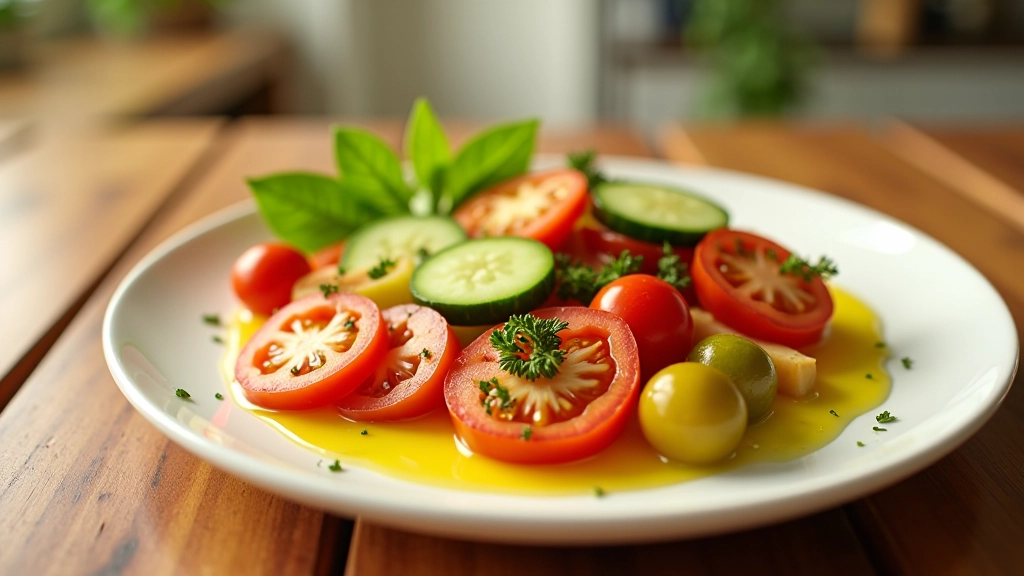
Why Nutrition Matters More as We Age
Feeding an aging parent isn't just about making sure they eat. It's about making sure they're getting what their body actually needs at this stage of life. Metabolism changes. Appetite shifts. What worked at 45 doesn't work at 75.
The good news? You don't need complicated meal plans or expensive supplements. You need real food, prepared thoughtfully, with attention to what seniors actually need. We're talking about meals that support bone density, maintain energy levels, and keep digestion working smoothly.

The Five Nutrients That Matter Most
Aging bodies have specific nutritional demands. These five nutrients tend to be where seniors fall short — and where small changes make real differences.
Calcium & Vitamin D
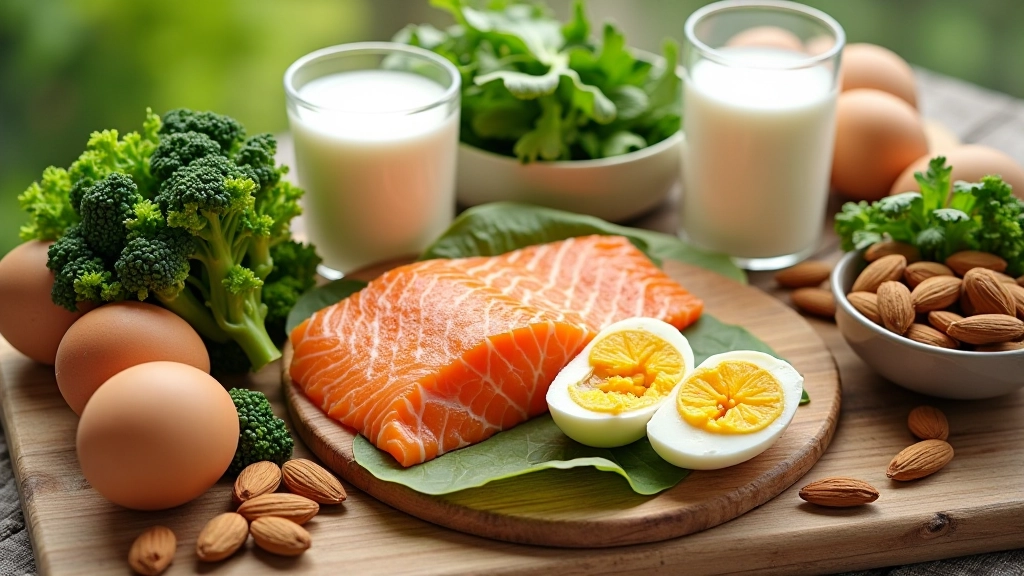
Bone loss accelerates after 60. Dairy products, fortified plant milks, and fatty fish (salmon, mackerel) are your allies. Aim for 1,200 mg calcium daily — roughly three servings of dairy or equivalent.
Protein
Muscle mass declines without adequate protein. Your parent needs about 1.2 grams per kilogram of body weight. Eggs, Greek yogurt, lean meats, beans, and fish all work well.
Fiber
Digestion slows with age. Whole grains, vegetables, fruits, and legumes prevent constipation — a common issue that's rarely discussed but affects quality of life.
Iron
Fatigue isn't just normal aging. Low iron causes real tiredness. Red meat, lentils, and fortified cereals help. Women over 50 need 8 mg daily; men the same.
B12
Absorption decreases with age. Many seniors become deficient. Fortified foods, supplements, or B12-rich meats (beef, fish) help prevent confusion and balance problems.
Practical Meal Timing & Portions
Here's where theory meets reality. You can know all the nutrients in the world, but if the meals don't fit into your parent's actual life, they won't eat them.
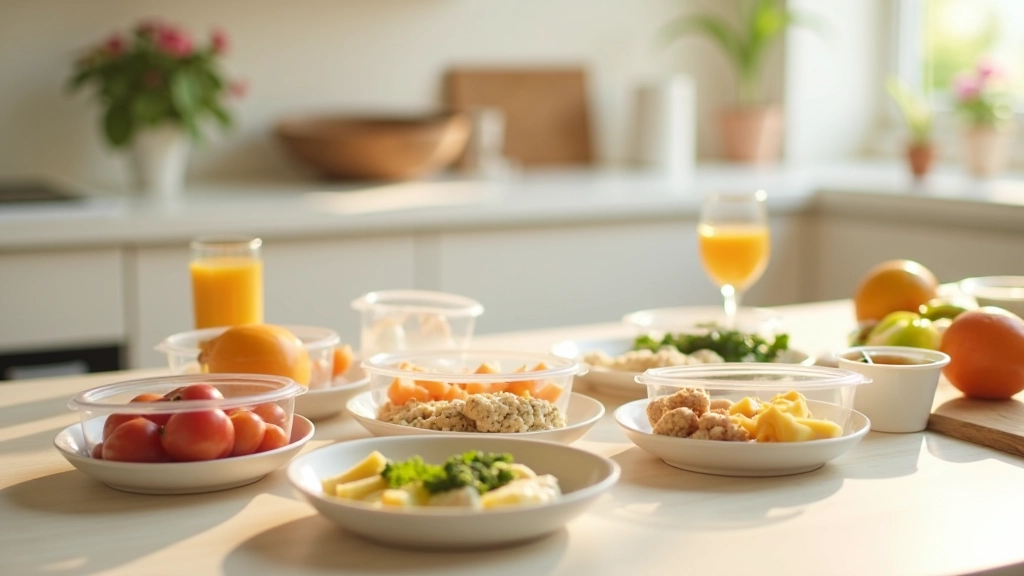
Three meals daily works best for most seniors — skipping meals leads to low energy and poor choices. Make breakfast substantial (eggs, oatmeal, yogurt). Lunch should be your main meal with protein and vegetables. Dinner can be lighter.
Portion sizes? Smaller than you might think. A protein portion is roughly the size of a deck of cards. A grain serving is about a fist. This prevents overeating while keeping nutrition steady. Between meals, small snacks help — nuts, fruit, cheese.
If your parent has dental issues or trouble chewing, softer foods work: canned fish, tender cooked vegetables, smoothies with added protein powder. Don't assume they can't enjoy good food just because it needs adjustment.
Working with Czech Food Traditions
Your parent probably grew up eating certain foods. Fighting that rarely works. Instead, adapt what they love.
Traditional Soups
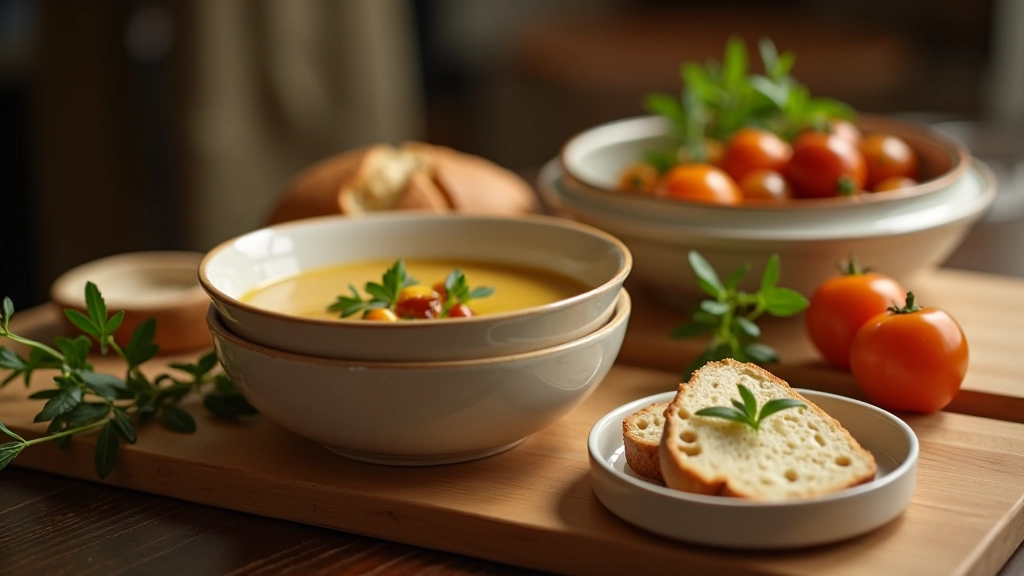
Polévka is comfort and nutrition. Chicken broth with vegetables and noodles? Excellent. Add extra vegetables, use lean chicken, go lighter on the cream. These soups hydrate and provide protein without feeling heavy.
Bread & Whole Grains
Czechs know good bread. Switch to whole grain varieties — they've got more fiber and nutrients. Pair with quality cheese or lean meats. A thick slice with butter and tomato works as breakfast.
Roasted Vegetables
Root vegetables (brambory, mrkev) roasted until tender are softer to chew and sweeter. Roasting brings out flavors without much added fat. Serve alongside lean meats or with eggs.
Fish Days
Many seniors remember "fish days" from childhood. This is actually great — fish provides protein and omega-3s. Pan-fried or baked white fish with lemon, served with steamed vegetables, feels traditional and nourishing.
The Often-Forgotten Part: Hydration
Thirst sensation decreases with age. Your parent might not realize they're not drinking enough. Dehydration causes confusion, fatigue, and falls — serious complications.
Aim for 6-8 glasses of fluid daily. Water, tea (herbal or black), broth, and milk all count. Keep a glass visible and refill it regularly. If plain water seems boring, try herbal tea with honey or diluted juice.
Watch for signs: dark urine, dry mouth, confusion. These indicate dehydration. Conversely, too much fluid at once can be uncomfortable. Small amounts throughout the day work better than one big glass.
Common Challenges & Solutions
Loss of Appetite
Medications and age can suppress appetite. Make meals visually appealing and flavorful. Eating with others helps — solitary eating reduces appetite. Small, frequent meals work better than three large ones.
Difficulty Swallowing
Pureed foods aren't appetizing but softer textures help. Moist dishes (stews, risotto) are easier than dry foods. Smoothies with added protein and yogurt provide nutrition without effort.
Medication Interactions
Some medications affect nutrient absorption or taste. Talk to the doctor about timing meals around medications. Grapefruit juice interferes with many medications — check before serving.
Limited Cooking Ability
Meal prep services or batch cooking help. Prepare larger quantities and freeze in portions. Rotisserie chicken, pre-cut vegetables, and canned beans save time without sacrificing nutrition.
A Simple Weekly Framework
You don't need complicated plans. A basic rotation works. Vary proteins (chicken, fish, beef, eggs, beans). Rotate vegetables. Keep grains simple. This prevents boredom while keeping nutrition consistent.
Egg breakfast. Chicken soup lunch. Baked fish with roasted vegetables dinner.
Oatmeal breakfast. Beef with tender vegetables lunch. Light vegetable broth dinner.
Yogurt with berries breakfast. Bean soup lunch. Chicken with herbs dinner.
What Actually Matters
Good nutrition for aging parents comes down to consistency, not perfection. Your goal isn't creating gourmet meals — it's providing nourishment they'll actually eat, prepared in ways that feel normal and comfortable.
Focus on whole foods. Include protein at each meal. Don't skip vegetables. Keep them hydrated. Work within their food preferences instead of against them. And remember: eating together makes a real difference. Your presence at the table matters as much as what's on it.
If your parent has specific health conditions — diabetes, kidney disease, heart problems — their nutritional needs shift. That's when talking to a dietitian helps. But for most seniors, the fundamentals we've covered here create a solid foundation for healthy aging.
Start small: Pick one meal to improve this week. Add an extra vegetable to lunch, or switch to whole grain bread. Small changes compound.
Informational Note
This article provides general educational information about nutrition for aging adults. It's not medical advice, and individual nutritional needs vary significantly based on health conditions, medications, and personal factors. If your parent has specific dietary requirements, health conditions, or concerns about their nutrition, consult with their doctor or a registered dietitian. They can provide personalized recommendations tailored to your parent's unique situation.
Related Articles